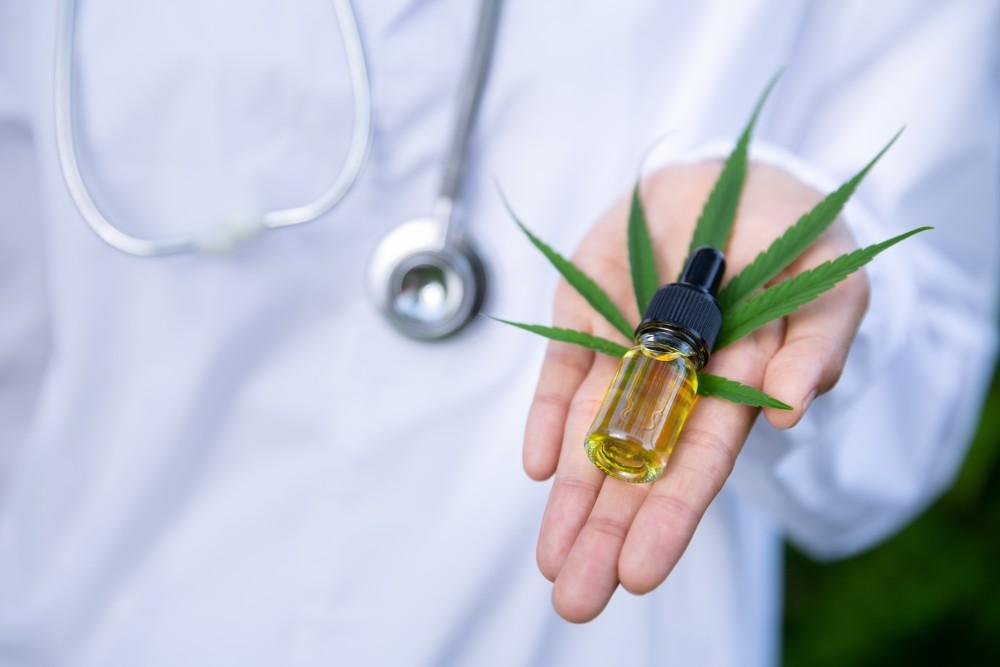
When most people think of medical cannabis, the first applications that usually come to mind are managing advanced cancer symptoms, severe chronic back pain, or intractable nausea. While its effectiveness in providing physical relief for these conditions is well established, ongoing clinical research continues to reveal that the therapeutic scope of cannabis extends far beyond basic pain management. Your body is naturally equipped with an intricate endocannabinoid system (ECS)—a vast internal receptor network that regulates everything from immune function and mood to gut motility and cellular repair. When guided by certified clinical specialists, targeted cannabinoid therapy can resolve persistent health hurdles that traditional medicine often struggles to address. At The Kaya Life, our compassionate medical marijuana physicians provide comprehensive evaluations and individualized treatment strategies to help you discover the wide-ranging, restorative benefits of plant-based medicine.
1. Neuroprotection and cognitive preservation
One of the most remarkable properties of specific plant cannabinoids—particularly cannabidiol (CBD) and minor cannabinoids like CBG—is their ability to act as potent neuroprotective agents.
Cannabinoids support central nervous system health in multiple ways:
- Reducing neuroinflammation: Chronic low-grade inflammation in the brain contributes to neurodegenerative conditions and brain fog. Cannabinoids bind to specialized microglial receptors, calming inflammatory cascades that stress nerve cells.
- Neutralizing oxidative stress: Cannabinoids act as powerful natural antioxidants, scavenging reactive oxygen species that accelerate cellular aging within brain tissue.
- Supporting traumatic recovery: Targeted formulations assist in stabilizing neural pathways following concussions, traumatic brain injuries (TBI), or chronic migraine episodes.
2. Restoring gut barrier integrity and calming digestive inflammation
Roughly 70% of your immune system resides in your gastrointestinal tract, and the gut is densely populated with CB1 and CB2 cannabinoid receptors. For individuals dealing with irritable bowel syndrome (IBS), Crohn’s disease, or ulcerative colitis, medical cannabis offers surprising, whole-body digestive support.
Physician-guided cannabis therapies help optimize digestive health:
- Balancing intestinal motility: Cannabinoids modulate excessive muscle contractions in the intestines, easing painful abdominal cramping and regulating erratic bowel movements.
- Strengthening gut epithelial junctions: By calming localized mucosal inflammation, cannabinoids help protect and repair the intestinal lining, decreasing systemic sensitivity.
- Stimulating healthy digestive signaling: Gentle cannabinoid profiles stimulate natural appetite pathways without causing gastrointestinal distress.
3. Promoting deep, restorative REM and slow-wave sleep
Millions of adults rely on over-the-counter sleep aids or prescription sedatives that leave them feeling groggy, foggy, and unrested the following morning. Traditional sleeping pills often force sedation while actively disrupting natural sleep architecture.
Medical marijuana provides a gentler, more physiologically natural alternative:
- Facilitating sleep onset: Micro-doses of THC combined with relaxing terpenes (such as myrcene and linalool) quiet a racing mind and down-regulate sympathetic "fight-or-flight" nervous system activity in the evening.
- Enhancing slow-wave sleep: Specific cannabinoid formulations encourage deeper stages of restorative slow-wave sleep, where critical tissue healing and immune regeneration occur.
- Reducing sleep fragmentation: For patients suffering from PTSD, restless legs syndrome, or chronic pain flare-ups at night, targeted cannabinoids diminish nighttime awakenings and nightmare frequency.
4. Assisting in harm reduction and pharmaceutical tapering
An increasingly valued benefit of medical cannabis is its role as an exit pathway from harsh prescription drugs. Long-term reliance on opioids, muscle relaxers, benzodiazepines, and high-dose NSAIDs carries significant risks, including tolerance, chemical dependency, liver strain, and gastrointestinal ulceration.
Under the medical oversight of an experienced cannabis doctor, medical marijuana acts as a powerful adjunctive tool:
- Opioid-sparing effect: Cannabinoids enhance the pain-relieving effects of the body's natural endorphins, allowing many patients to significantly lower their daily opioid dosages under clinical supervision.
- Replacing sedatives and anxiolytics: Providing a natural, non-addictive option to manage acute panic, muscle spasms, and insomnia.
- Protecting vital organs: Plant cannabinoids ease systemic discomfort without inflicting damage on renal or gastric tissues.
5. Improving pulmonary airflow and airway relaxation
While smoking anything is harmful to the lungs, medical cannabis can be administered through vaporizers, sublingual tinctures, or oral capsules that eliminate combustible smoke entirely. Interestingly, specific cannabinoids possess natural bronchodilatory properties.
In non-combustible forms, cannabinoids interact with smooth muscle receptors surrounding the bronchial airways:
- Relaxing bronchial spasms: Easing constricted airways to support smoother, less labored breathing in individuals prone to reactive airway tension.
- Dampening allergic airway responses: Calming overactive histamine releases and mast-cell reactions that trigger coughing and airway tightness.
Unlock the personalized potential of plant medicine
Medical marijuana is not a one-size-fits-all remedy; its clinical success depends heavily on choosing the right cannabinoid ratios, terpenes, and delivery methods suited to your unique physiology. Navigating these choices with a knowledgeable, certified physician ensures you experience the maximum therapeutic benefits while avoiding unwanted side effects.
Are you ready to explore how medical cannabis can improve your health and daily vitality? Visit The Kaya Life today or contact our clinic to schedule your comprehensive medical marijuana consultation.