Head High vs. Body High: How Are They Different?
Learn about the difference between head high vs. body high in Gulf Breeze, FL with Kaya Life.
Now accepting Telehealth appointments. Schedule a virtual visit.
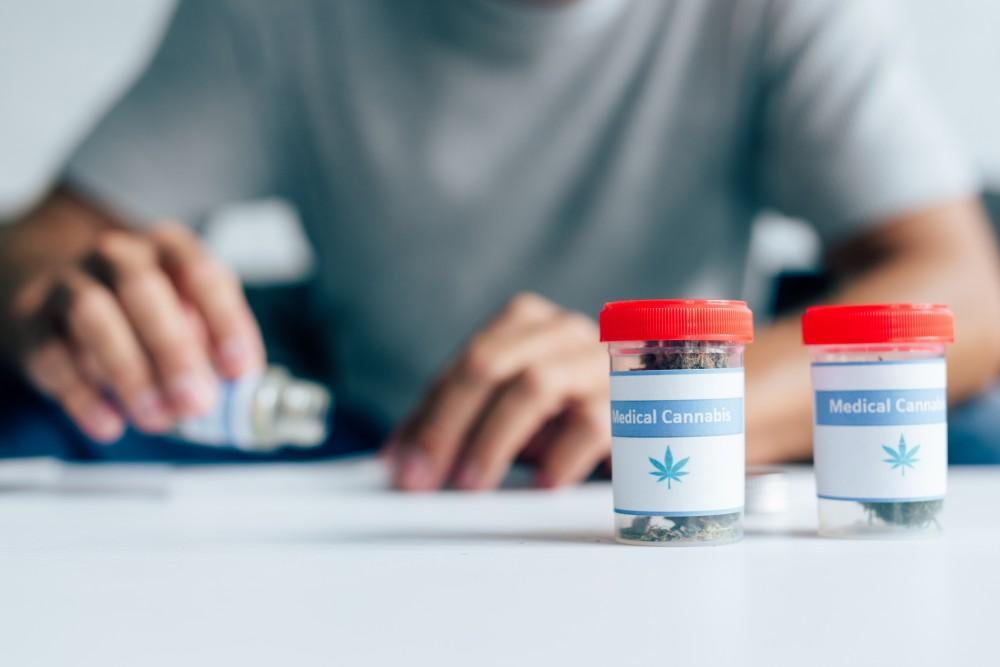
Bipolar disorder is a complex mental health condition characterized by extreme mood swings that include emotional highs (mania or hypomania) and lows (depression). Managing these symptoms often requires a comprehensive treatment plan that may include therapy and medication. Recently, there has been growing interest in the relationship between bipolar disorder and medical cannabis. As discussions around medical cannabis evolve, many individuals are curious about its potential role in managing various health conditions.
This article provides an overview of the current understanding of medical cannabis in relation to bipolar disorder. It explores what bipolar disorder is, what the existing research indicates, and what potential risks are associated with cannabis use for individuals with this condition. The goal is to offer a balanced perspective to help people make informed decisions in consultation with their healthcare providers.
Bipolar disorder, formerly known as manic depression, is a chronic mental health condition that affects mood, energy levels, and the ability to function. The experience of living with bipolar disorder varies from person to person, but it is generally defined by periods of intense emotion and changes in sleep patterns and behavior.
Types of Bipolar Disorder
There are several types of bipolar disorder, each with distinct patterns of mood episodes. A proper diagnosis from a qualified healthcare professional is essential for effective management.
Standard treatment for bipolar disorder often involves a combination of medication, such as mood stabilizers and antipsychotics, and psychotherapy. The goal of treatment is to stabilize mood and reduce the severity and frequency of mood episodes.
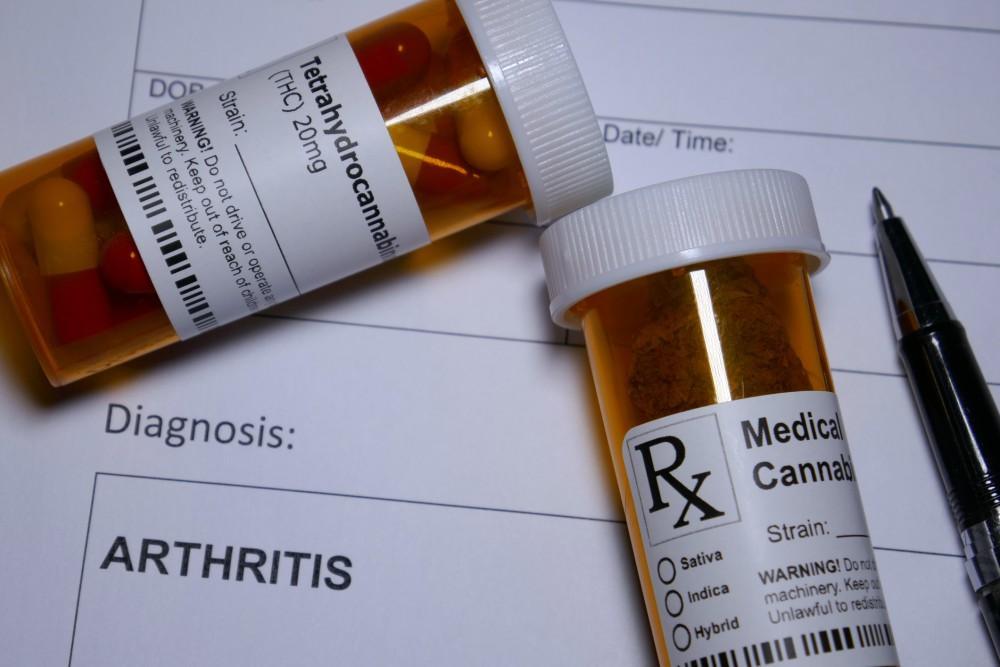
The conversation around bipolar disorder and medical cannabis is complex. Cannabis contains compounds called cannabinoids, with the most well-known being tetrahydrocannabinol (THC) and cannabidiol (CBD). These cannabinoids interact with the body's endocannabinoid system, which plays a role in regulating mood, sleep, and appetite.
What Research Indicates
Current scientific research on the use of medical cannabis for bipolar disorder is limited and has produced mixed results. Some studies have suggested that individuals with bipolar disorder report using cannabis to manage their symptoms, particularly during manic or depressive episodes. They may feel it provides temporary relief from anxiety, agitation, or low mood.
However, other research has pointed to potential risks. For example, some studies indicate that cannabis use, particularly products high in THC, could be associated with:
It is important to note that much of the available research is observational, meaning it identifies associations rather than direct cause-and-effect relationships. More rigorous, controlled clinical trials are needed to understand the effects of medical cannabis on bipolar disorder fully.
Before considering medical cannabis, individuals with bipolar disorder should be aware of the potential risks and discuss them with a healthcare provider. The effects of cannabis can vary widely depending on the individual, the type of product used, the dosage, and the frequency of use. Some key considerations include:
Given these complexities, self-medicating with cannabis without medical supervision is not recommended. A qualified physician can provide guidance based on a person’s specific health profile and the current state of scientific evidence.
Navigating treatment options for bipolar disorder requires careful consideration and professional guidance. The relationship between bipolar disorder and medical cannabis is still being explored by researchers, and the current body of evidence does not provide a clear consensus. While some individuals may report benefits, the potential risks are significant and cannot be overlooked. If you are considering medical cannabis as part of your treatment plan, the most important step is to speak with a healthcare provider who is knowledgeable about both mental health and cannabis. A physician can help you weigh the potential benefits against the risks and ensure your treatment approach is safe and effective. The team at Kaya Life is committed to providing patients with compassionate and evidence-based care. We are here to answer your questions and help you make informed decisions about your health. To learn more or to schedule a consultation, please contact us today.